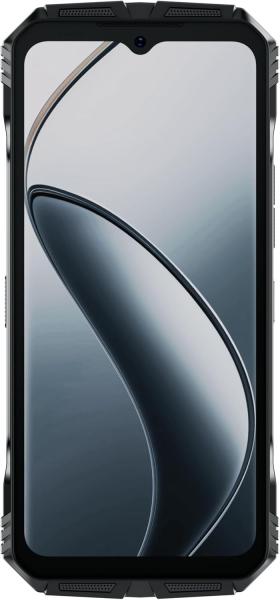
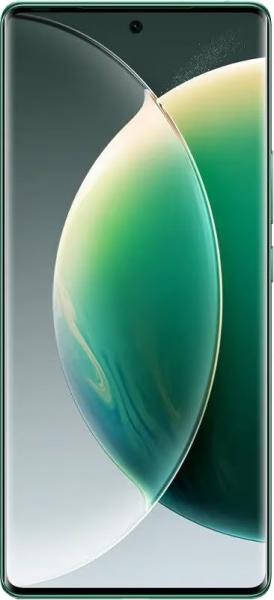
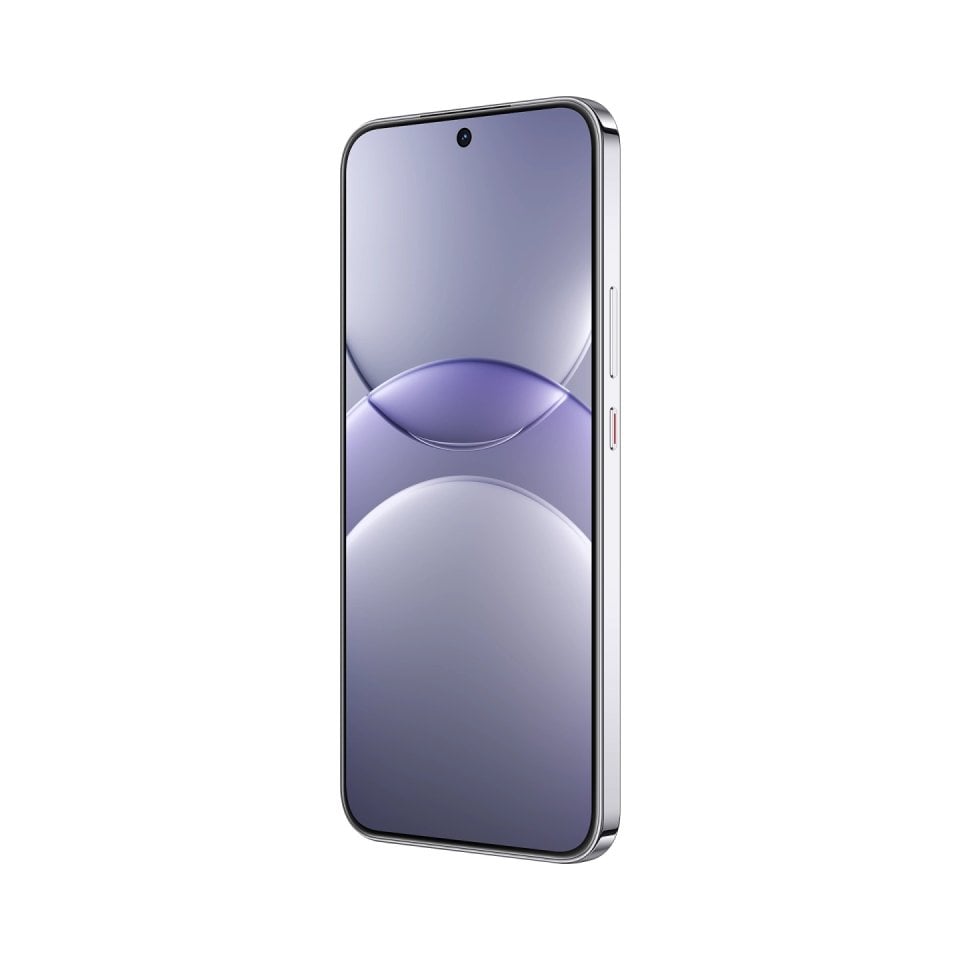
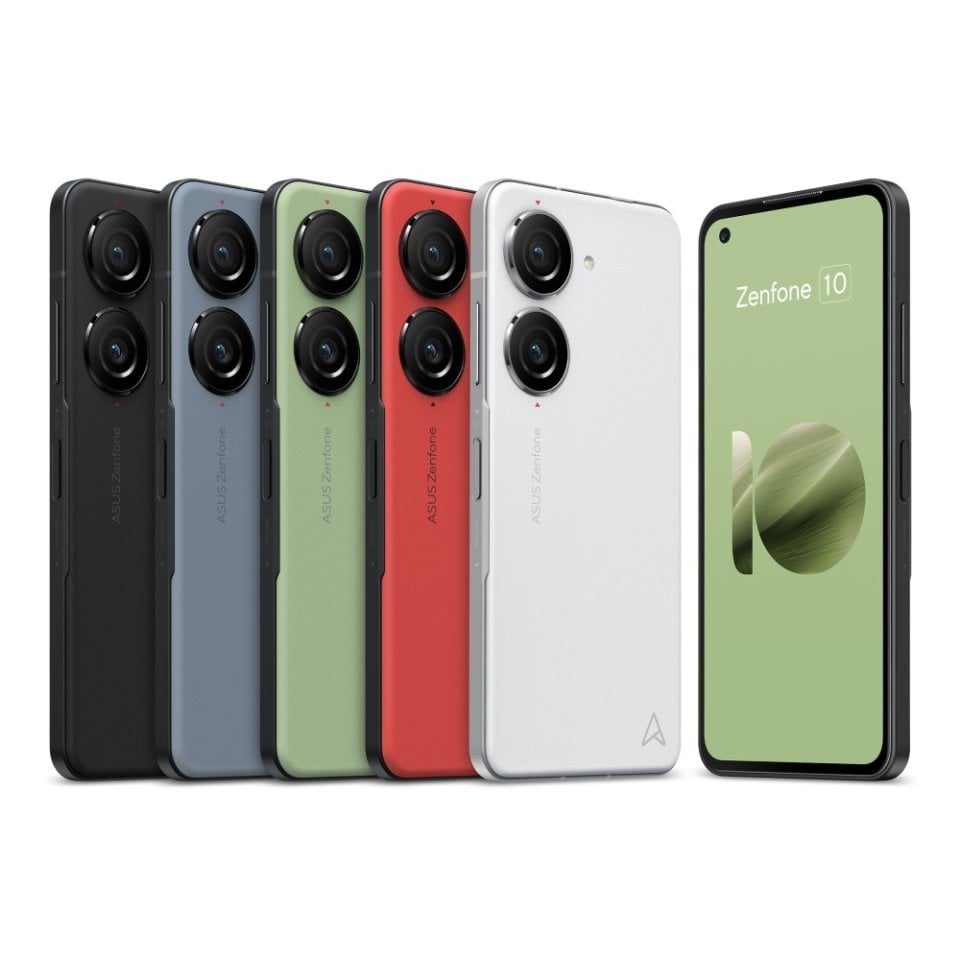
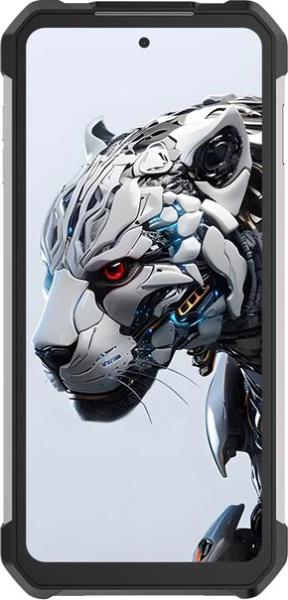
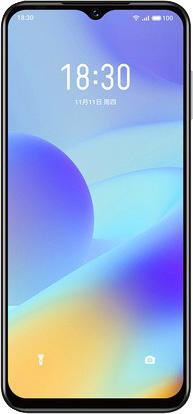
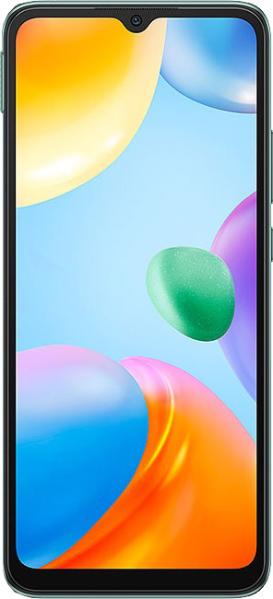
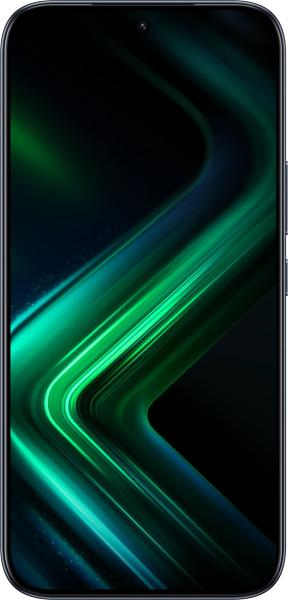
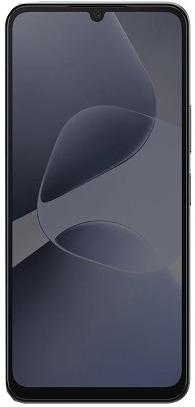
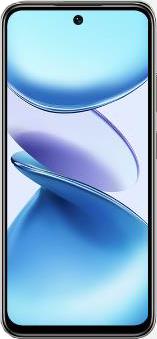
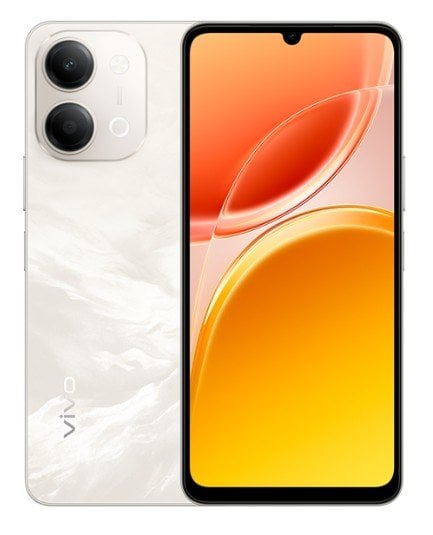
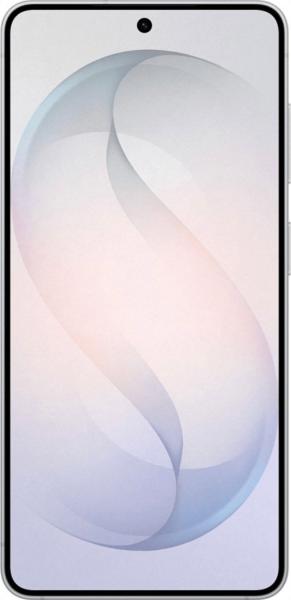
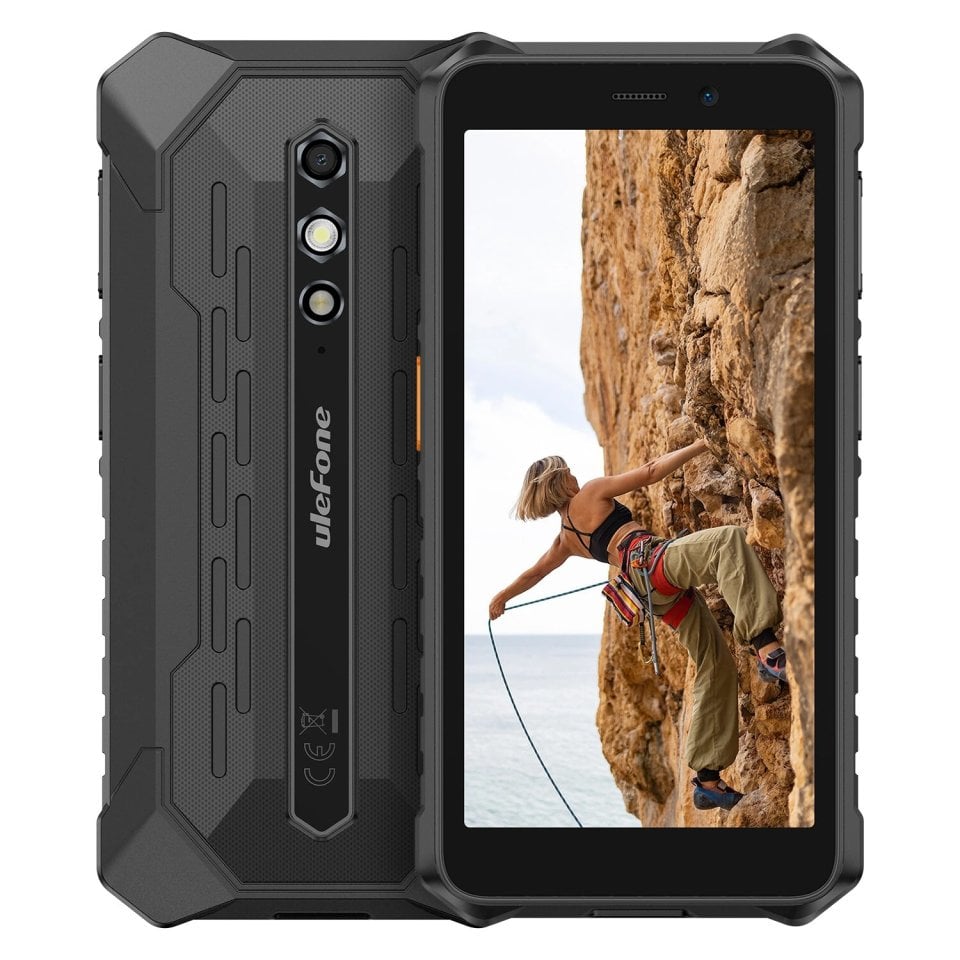
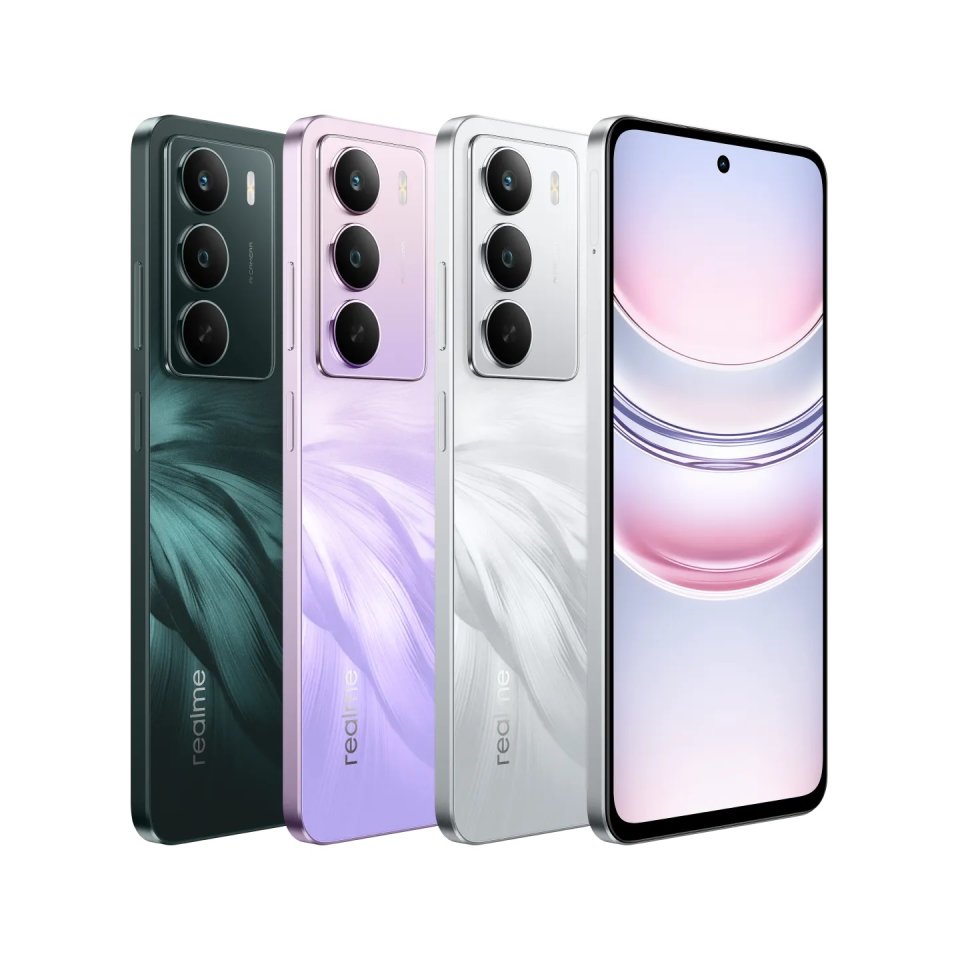
Doogee Blade 10 vs Infinix Note 60
Doogee
Blade 10
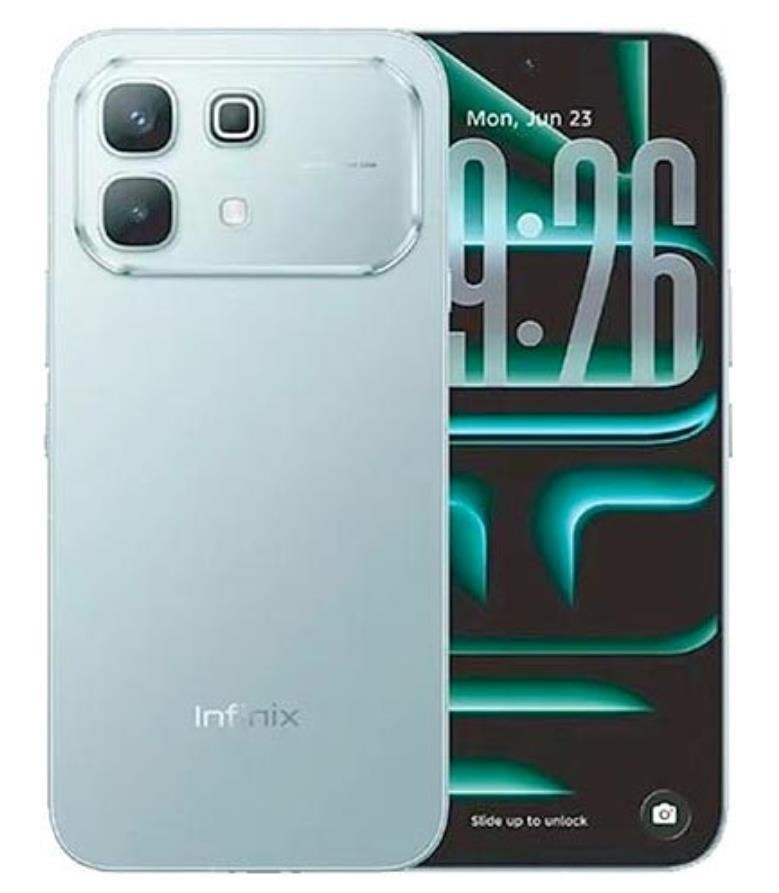
Infinix
Note 60
Übersicht
- Marke
- Doogee
- Infinix
- Erscheinungsdatum
- Juli 2024, vor 1 Jahren und 11 Monaten
- Februar 2026, vor 4 Monaten
- AnTuTu
- 251.600 Antutu v10 Overall performance better than 59% of devices
- 894.000 Antutu v11 Overall performance better than 83% of devices
Display
- Größe
- 6.56"
- 6.78"
- Auflösung
- 720 x 1612 px HD+
- 1224 x 2720 px QHD
- Typ
- LCD IPS
- AMOLED
- Pixeldichte
- 269 ppi Medium Density
- 440 ppi Very high density
- Seitenverhältnis
- 20:9
- 20:9
- Funktionen
- Water Drop Notch, Refresh rate 90 Hz, Brightnes 350 cd/m² (typ), 1500:1 contrast ratio, 2.5D curved glass screen, Corning Gorilla Glass 5, Panda glass, Capacitive, Multi-touch, Frameless
- Hole-punch Notch, Refresh rate 144 Hz, Touch sampling rate 240 Hz, Brightnes 700 cd/m² (typ), Max brightness HBM - 1600 cd/m², Peak brightness - 4500 cd/m², 5000000:1 contrast ratio, Always-On Display, TÜV Rheinland Eye Comfort Certification, HDR10+, DCI-P3, 10 Bits panel, Dolby Vision, Color LED Notifications, LED Notifications, Scratch resistant, Corning Gorilla Glass 7i, Capacitive, Multi-touch, LTPS (Low Temperature PolySilicon silicon), Frameless
Leistung
- Chipsatz
- Unisoc Tiger T606
- MediaTek Dimensity 7400
- CPU
- 2x1.6 GHz Cortex A75 + 6x1.6 GHz Cortex A55
- 4x2.6 GHz Cortex A78 + 4x 2.0 GHz Cortex A55
- CPU-Typ
- Octa-Core
- Octa-Core
- Fertigung
- 12 nm
- 4 nm
- Taktfrequenz
- 1.6 GHz
- 2.6 GHz
- GPU
- ARM Mali-G57
- Mali-G615 MP2
- Arbeitsspeicher
- 4 GB
- 8 GB
- 64-Bit
- Yes
- Yes
- RAM-Typ
- —
- RAM LPDDR5X
Hauptkamera
- Auflösung
- 16 Mpx
- 50 Mpx
- Blende
- ƒ/ 1.8
- ƒ/ 1.6
- Blitz
- LED
- Dual LED
- Optische Stabilisierung
- No
- Yes
- Zeitlupe
- No, 30 fps
- Yes, 240 fps
- Funktionen
- Digital zoom, Triple camera, Autofocus, Touch focus, Continuous shooting, Geotagging, HDR, Face detection, Scene mode, Self-timer
- Cinematic Mode, Flicker sensor, Noise reduction, 4K Video, Digital zoom, Dual camera, Digital image stabilization, Optical Stabilization (OIS), Ultra stable video, Autofocus, Touch focus, Manual focus, Phase detection autofocus (PDAF), Laser autofocus (LAF), Continuous shooting, Geotagging, Panorama, HDR, Face detection, White balance settings, ISO settings, Exposure compensation, Scene mode, Self-timer, RAW, Night Mode
Frontkamera
- Auflösung
- 8 Mpx
- 13 Mpx
- Blende
- ƒ/ 2.0
- ƒ/ 2.4
- Sensor
- Hynix HI-846
- GalaxyCore GC13AO
- Pixelgröße
- 1.12 µm
- 1.10 µm
Akku
- Kapazität
- 5150 mAh
- 6500 mAh
- Typ
- Li-Ion
- Lithium
- Schnellladung
- Yes , 10.0W
- Yes , 45.0W
- Ladezyklen
- 1000 cycles
- —
- Laufzeit
- ~ 51h
- —
- Funktionen
- Removable, Non-removable
- Bypass Charging, Wireless charging, Reverse charging, Non-removable
- Kabelloses Laden
- —
- Reverse charging 10W, Wireless charging 30W, Wireless reverse charging 5W
Speicher
- Kapazität
- 128 GB
- 128 GB
- SD-Slot
- Yes , Slot for SD or second SIM card
- No
- Typ
- —
- UFS Storage 2.2
Gehäuse
- Abmessungen
- 80.0 mm 172.7 mm 11.0 mm Print 3D Model
- 77.2 mm 162.4 mm 7.5 mm Print 3D Model
- Gewicht
- 240 g
- 199 g
- Materialien
- Rugged Smartphone, Polycarbonate
- Aluminium alloy
- Farben
- Black Red Green
- Black Silver Pink Green Bronze
- Wasser-/Staubschutz
- IP68, IP69 , MIL-STD-810H
- IP64 , MIL-STD-810H
- Sturzfestigkeit
- Class A B C D E 270 drops without defects
- —
- Reparierbarkeit
- Class A B C D E
- —
- Nutzbare Fläche
- 84 %
- 89 %
Software
- Betriebssystem
- Android 14 Upside-down cake Android 14
- Android 16 Android 16
- Google-Dienste
- With Google Mobile Services
- With Google Mobile Services
- Updates
- —
- OS updates: 2 years, Security updates: 3 years
Konnektivität
- SIM
- Dual SIM Dual Standby (Nano SIM + Nano SIM)
- Dual SIM Dual Standby (Nano SIM + Nano SIM)
- Bluetooth
- Bluetooth 5.0
- Bluetooth 5.4 LELow energy consumption
- Bluetooth-Profile
- A2DP (Advanced Audio Distribution Profile)
- A2DP (Advanced Audio Distribution Profile), LE (Low Energy), APT-x, LDAC, SBC, AAC
- Wi-Fi
- 802.11a , 802.11b , 802.11g , 802.11n , 802.11n 5GHz , 802.11ac
- 802.11a , 802.11b , 802.11g , 802.11n , 802.11n 5GHz , 802.11ac, WiFi 6 (802.11ax)
- Wi-Fi-Funktionen
- Dual band, Wi-Fi Hotspot, Wi-Fi Direct, Wi-Fi Display
- Dual band, Wi-Fi Hotspot, Wi-Fi Direct, Wi-Fi Display, Wi-Fi MiMO
- USB
- USB Type-C
- USB Type-C
- USB-Funktionen
- Charging, OTG
- Charging, OTG
- Navigation
- GPS, A-GPS, GLONASS, Beidou, Galileo
- GPS, A-GPS, GLONASS, Beidou, QZSS, Galileo, GPS (L1+L5), BeiDou (B1), Galileo (E1+E5a), BeiDou (B2), QZSS (L1 + L5)
Netzwerke
- 4G LTE
- B1 (2100), B2 (1900), B3 (1800), B4 (1700/2100 AWS 1), B5 (850), B7 (2600), B8 (900), B18 (800), B19 (800), B20 (800), B25 (1900+), B26 (850), B28b (700), B28a (700), B38 (TDD 2600), B40 (TDD 2300), B41 (TDD 2500), B66 (1700/2100)
- B1 (2100), B3 (1800), B5 (850), B8 (900), B28b (700), B38 (TDD 2600), B40 (TDD 2300), B41 (TDD 2500)
- 3G
- B1 (2100), B2 (1900), B4 (1700/2100 AWS A-F), B5 (850), B8 (900)
- B1 (2100), B5 (850), B8 (900)
- 2G
- B2 (1900), B3 (1800), B5 (850), B8 (900)
- B3 (1800), B5 (850), B8 (900)
- 5G
- —
- n1 (2100), n3 (1800), n5 (850), n8 (900), n28b (700), n38 (2600), n40 (2300), n41 (2500), n77 (3700), n78 (3500)
Sensoren & Sicherheit
- Fingerabdruck
- Yes, on the side
- Yes, in screen
- Beschleunigungssensor
- Yes
- Yes
- Näherungssensor
- Yes
- Yes
- Lichtsensor
- Yes
- Yes
- Kühlsystem
- No
- Yes
- Gyroskop
- —
- Yes
- Audio
- —
- DTS / DTS X, Hi-Res Audio, Stereo Speakers